

200+
Tech. Professionals
310+
Clients
2,150+
Projects Delivered
10+
Years of Experience
97%
Client Retention
Overview
Software Built for Logistics Organizations
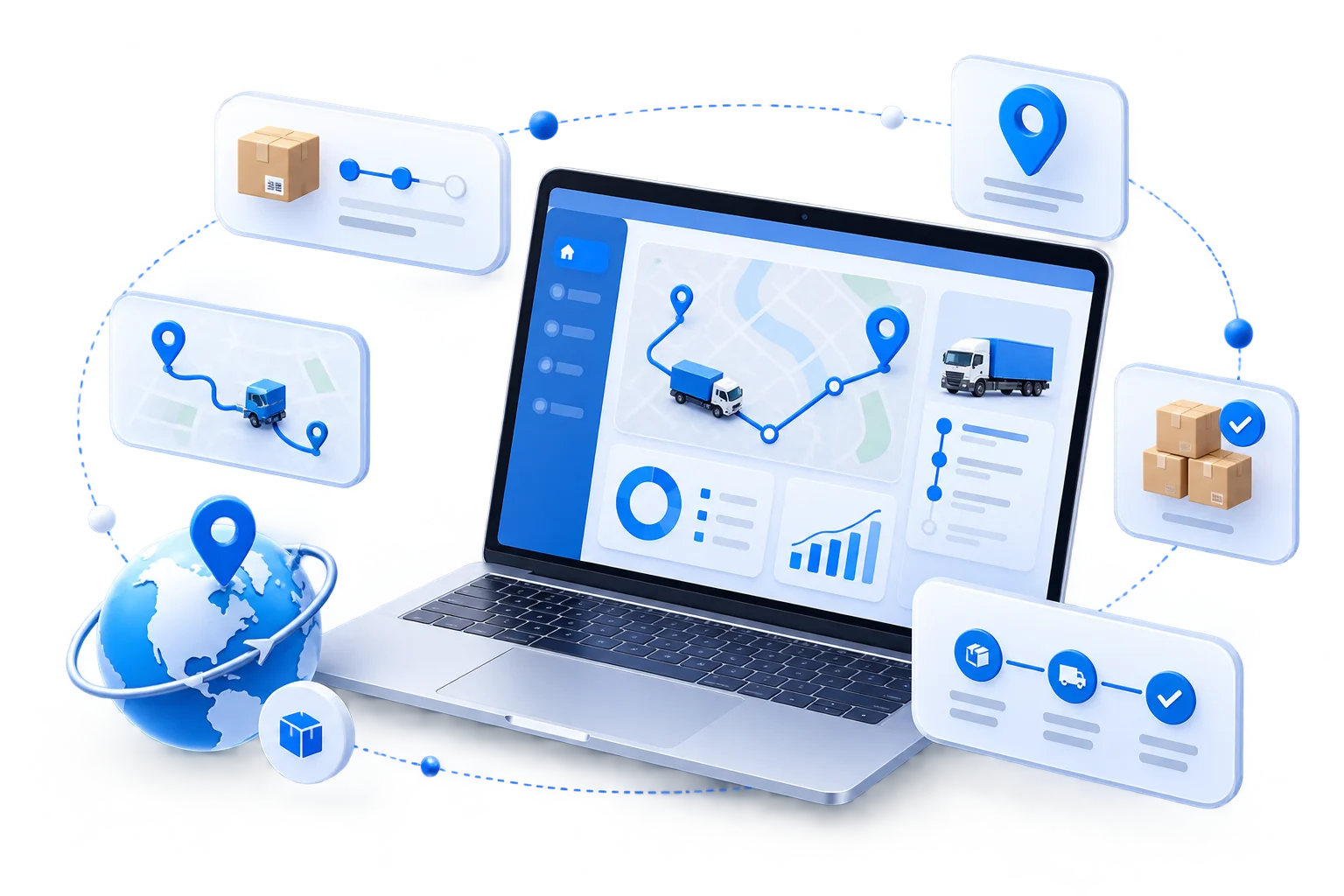
Logistics businesses coordinate shipments, vehicles, drivers, warehouses, delivery schedules, inventory, and customer updates. When these activities depend on disconnected systems or manual processes, teams can struggle to track shipments, coordinate operations, and maintain accurate information.
IT IDOL Technologies develops custom logistics software, improves existing applications, and connects systems to support transportation, warehousing, and supply chain workflows. We consider your operating model, users, data requirements, existing technology, and integration needs when planning a solution.
Whether you manage freight operations, last-mile delivery, multiple warehouses, or a broader supply chain, we help build software that fits your business processes and technical requirements.
Who We Serve
Logistics Software for Different Types of Organizations
Freight & Transportation Companies
Develop software for shipment management, dispatch, freight documentation, vehicle coordination, and transportation workflows.
Third-Party Logistics (3PL) Providers
Build applications to manage customer orders, shipments, warehouse activities, inventory, and logistics services across multiple clients.
Warehouse & Distribution Operators
Create software for receiving, storage, picking, packing, dispatch, stock tracking, and coordination across warehouse locations.
Last-Mile Delivery Businesses
Develop applications for delivery assignments, driver workflows, route information, delivery status updates, and proof of delivery.
Supply Chain & Distribution Businesses
Build systems that connect suppliers, warehouses, transportation providers, and customers through coordinated order and shipment workflows.
Logistics Software Solutions
What We Build for Logistics
Logistics software requirements depend on the type of operation, shipment volumes, warehouse processes, transportation model, and existing systems. We develop custom applications and platforms based on those requirements.
Transportation Management Systems (TMS)
Build software for shipment planning, carrier coordination, dispatch, freight tracking, transportation documentation, and related operational workflows.
Warehouse Management Systems (WMS)
Develop applications for receiving, put-away, inventory tracking, picking, packing, dispatch, and warehouse task management.
Fleet Management Software
Create applications to manage vehicle records, driver assignments, maintenance schedules, fleet activity, and available vehicle data.
Shipment Tracking & Visibility Platforms
Build applications that bring together shipment events, status updates, delivery milestones, and relevant tracking information from supported systems.
Last-Mile Delivery Software
Develop tools for delivery assignment, driver applications, delivery status, proof of delivery, and communication with customers.
Freight Management Software
Create applications for freight bookings, shipment documentation, carrier coordination, rate management, and freight-related workflows.
Logistics Mobile Applications
Build mobile applications for drivers, warehouse employees, dispatchers, customers, and other users involved in logistics operations.
Order & Inventory Management Software
Develop systems to manage orders, stock availability, fulfillment workflows, and inventory movement across warehouses and distribution locations.
AI-Powered Logistics Software
Add AI capabilities for document processing, operational analysis, demand forecasting support, and other appropriate logistics use cases.
Logistics Challenges We Solve
Software That Addresses Real Logistics Needs
Logistics operations involve coordination across people, vehicles, facilities, shipments, and business systems. We help address common operational and technical challenges through software built around your workflows.
Improve Shipment Visibility
Develop applications that consolidate available tracking information, shipment milestones, and status updates from supported systems.
Coordinate Dispatch & Deliveries
Build workflows for assigning shipments, managing driver tasks, tracking delivery progress, and handling operational exceptions.
Connect Warehouse & Transportation Systems
Integrate relevant WMS, TMS, ERP, inventory, and carrier systems to reduce disconnected workflows and duplicate data entry.
Manage Inventory Across Locations
Develop software to track stock movement, inventory availability, transfers, and fulfillment activities across supported facilities.
Reduce Manual Documentation
Build tools to organize shipment records, delivery documents, order information, and other logistics data through defined workflows.
Improve Existing Logistics Software
Modernize legacy applications, improve performance, add features, and address integration limitations without automatically replacing the entire system.
AI for Logistics
Practical AI for Logistics Software
AI can support logistics operations when it addresses a specific business need and uses suitable data. Depending on the available systems and information, it may help analyze shipment activity, organize documents, identify operational patterns, or support planning.
IT IDOL Technologies can develop AI-enabled logistics applications or add appropriate AI capabilities to existing software based on your requirements.
Route Planning Support
Develop tools that analyze available delivery information and operational constraints to support route planning. Actual route optimization depends on factors such as traffic data, vehicle capacity, delivery windows, and routing requirements.
Demand Forecasting Support
Analyze historical shipment, order, and inventory data to help identify demand patterns and support resource planning.
Logistics Document Processing
Use AI-assisted extraction and classification to organize supported documents, such as invoices, delivery receipts, shipment records, and freight documents.
Shipment Exception Analysis
Analyze available shipment events and operational records to help teams identify delays, recurring issues, or exceptions that may need attention.
Logistics Customer Support Assistants
Develop assistants that help customers find shipment information, understand delivery status, and access relevant service information through supported integrations.
Warehouse & Operations Analytics
Use AI-assisted analysis to summarize available warehouse, inventory, delivery, and shipment data for operational reporting and review.
Logistics Technology, Standards & Integrations
Technology That Works With Your Existing Systems
Logistics software often needs to connect with carrier platforms, warehouse systems, ERP applications, fleet tools, tracking services, and customer systems. We consider your current technology, supported interfaces, data formats, and operational requirements when planning integrations.
Development Technologies
Cloud
Logistics Standards & Data Exchange
Logistics System Integrations
Logistics Software Development Services
Development Support for Your Logistics Product
Whether you need a new logistics application, improvements to an existing platform, or integrations across transportation and warehouse systems, our development team can support different stages of the software lifecycle.
Custom Software Development
Build logistics applications around your shipment workflows, transportation model, warehouse operations, and business requirements.
Mobile App Development
Develop mobile applications for drivers, dispatchers, warehouse teams, customers, and other logistics users.
Product Engineering
Build, maintain, and extend logistics software products as features, users, integrations, and operational requirements evolve.
AI Development
Develop appropriate AI capabilities for document processing, operational analysis, shipment exception review, and logistics planning support.
System Integration
Connect logistics applications with carrier services, ERP systems, inventory tools, warehouse platforms, and other relevant applications.
Software Modernization
Update legacy logistics applications, improve maintainability, address performance limitations, and support new integration requirements.
Ongoing Development & Support
Maintain applications, resolve issues, improve features, and support new requirements after launch.
Logistics Projects We've Delivered
Logistics Software We've Built
Our project portfolio should demonstrate how we approach logistics requirements, shipment workflows, system integrations, and technical challenges. The examples below should be replaced with verified projects relevant to logistics software development.
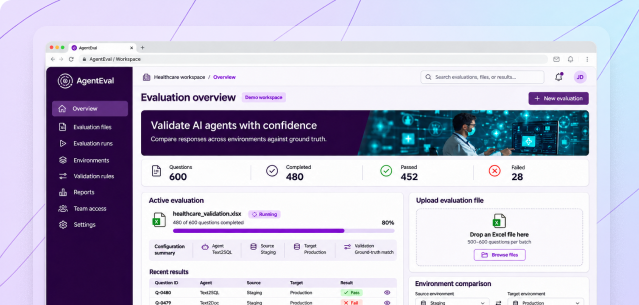
AI Agent Testing & Evaluation
A platform for testing and evaluating AI agents across different tasks and performance criteria.
View Project
AI-Assisted Content Quality Platform
An online education platform that uses AI to review content, check quality, and support content editing.
View Project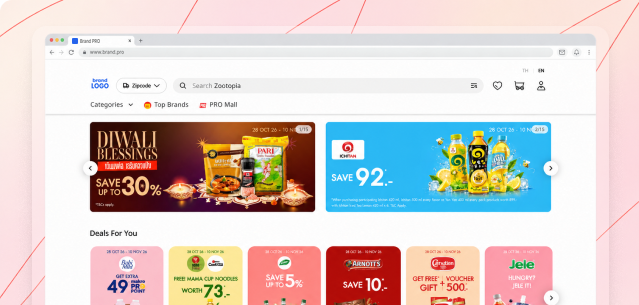
Digital Commerce Platform
A digital commerce platform developed to support online shopping and business operations.
View Project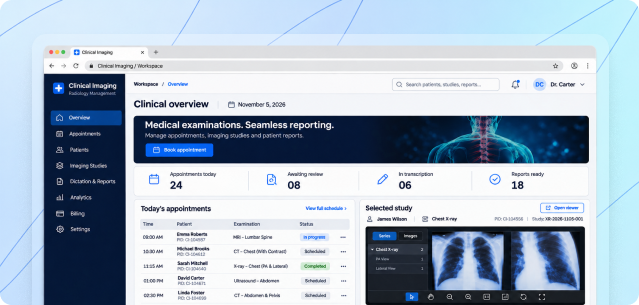
Radiology Management & Reporting Software
A medical software platform for managing examination appointments, radiology reports, and reporting workflows.
View ProjectWhy Clients Work With Us
A Technology Partner You Can Rely On
Choosing a technology partner is about more than finding people who can write code. You need a team that understands the requirement, communicates clearly, and stays accountable through delivery.
CMMI Level 5
A structured approach to software development and delivery.
Experienced Technology Teams
Our 200+ technology professionals cover software development, AI, data, mobile, web, and other technology disciplines.
Flexible Engagement
Choose an engagement model that fits your project, whether you need a complete development team or additional technical capacity.
Global Client Base
Working with businesses across the US, UK, India, Canada, UAE, Singapore, and other global markets
NDA & Code Confidentiality
Your project information and source code are handled under clear confidentiality and NDA terms.
How We Build Logistics Software
A Straightforward Development Process
Our logistics software development process starts with understanding your operations, shipment workflows, warehouse processes, existing systems, and technical requirements. From planning and design to development, testing, and deployment, we work through each stage based on the agreed project scope, with attention to system integrations, shipment tracking, inventory management, and coordination across logistics operations.
Discovery
Understand your logistics business model, intended users, shipment workflows, warehouse processes, existing systems, data requirements, and project goals.
Planning
Define the technical approach, scope, priorities, integrations, dependencies, and development plan.
Design
Plan user experiences and interfaces for dispatchers, drivers, warehouse employees, customers, administrators, and other relevant users.
Development
Build the agreed features, implement required integrations, and develop the application according to the approved scope.
Testing
Test functionality, performance, security controls, tracking updates, integrations, and critical operational workflows.
Deployment
Prepare the application for its intended environment, complete agreed deployment activities, and support the launch process.
Ongoing Development
Maintain the application, resolve issues, and implement improvements as shipment workflows, operational needs, and technical requirements change.
FAQs
Frequently Asked Questions
Video Testimonials
What Our Clients Say
Hear directly from businesses that have worked with IT IDOL Technologies and its development teams.

AI Enterprise

Entertainment Industry Canada

IT Industry Client India

Construction Industry Client Hong kong

Alpha OBS LLP

Girnar Software

Only Good

Pure Technologies

ellowtech
Have a Logistics Software Project in Mind?
Tell us how your logistics operation works, what you need to track or manage, which systems your software needs to connect with, and what you want the application to do. We’ll discuss your requirements and help you determine the right approach for the project.