Many nonprofits struggle with outdated or fragmented digital systems that slow down fundraising and operations.
A well-designed digital platform can simplify donation processes, improve donor experience, and reduce administrative workload.
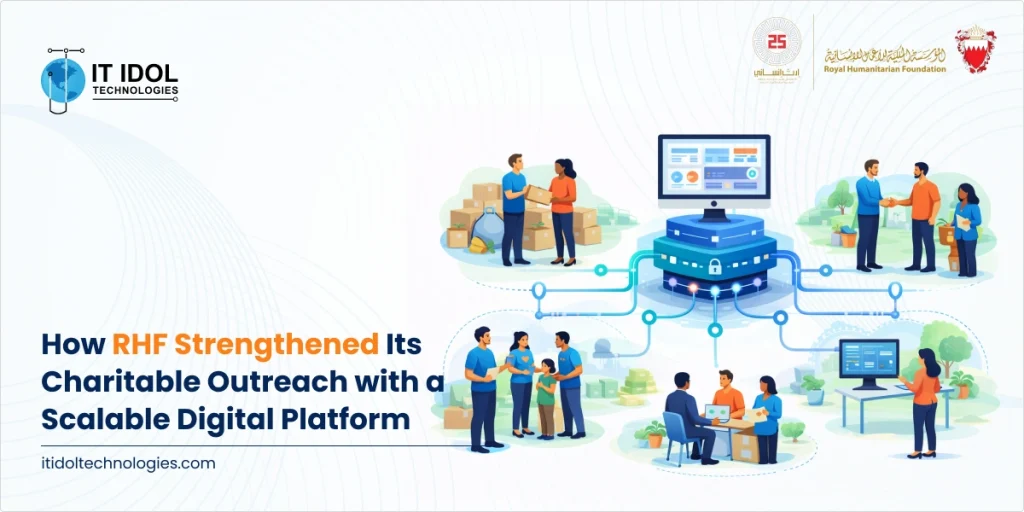
RHF, a charitable organization in Bahrain, needed a scalable website to support its social and humanitarian initiatives.
IT IDOL Technologies developed a custom website using HTML, PHP, and the Laravel framework, with Composer managing development dependencies.
The platform includes streamlined donation options, recurring contributions, and installment-based payments.
A built-in CMS enables RHF’s team to manage content and update the website without technical assistance.
Custom-built platforms offer nonprofits greater flexibility compared to off-the-shelf solutions.
By removing operational friction, digital infrastructure allows charitable organizations to focus more on delivering impact.
Charitable organizations operate in a space where every resource matters. Time, funding, volunteers, and trust all need to be carefully managed to deliver meaningful impact. Yet many nonprofits still rely on fragmented systems, manual donation tracking, outdated websites, disconnected payment tools, and content updates that require constant developer support. The challenge isn’t a lack of commitment or vision. It’s infrastructure. In many cases, organizations that are doing important work on the ground are held back by digital systems that were never designed to support scale, transparency, or evolving donor expectations. As donors increasingly expect seamless online experiences similar to what they encounter in e-commerce or digital banking, charitable organizations must rethink how they manage donations, communicate their mission, and operate digitally. This is where modern web development and thoughtfully designed platforms begin to play a critical role. Technology doesn’t replace the mission of a nonprofit. But when implemented correctly, it can remove friction from operations and allow organizations to focus on what matters most: delivering real-world impact.
The Digital Gap in the Nonprofit Sector
Many nonprofits reach a point where their growth exposes the limitations of their digital presence. Early-stage charitable initiatives often begin with simple websites, basic information pages, manual donation processes, or static forms that require significant manual handling behind the scenes. At a small scale, this works.
But as the organization grows, several operational issues start to appear:
Donations become harder to track and manage
Donors expect flexible payment options
Content updates require developer intervention
Administrative teams spend too much time managing routine tasks
What should be simple- accepting a donation, updating a campaign page, and communicating with supporters- suddenly becomes operationally heavy. The result is a growing gap between the organization’s mission and the technology supporting it. For charitable organizations working across multiple programs supporting vulnerable communities, delivering health initiatives, or funding education projects, this gap can slow down both fundraising and outreach efforts. Modern digital infrastructure can close that gap. But doing so requires more than simply redesigning a website. It requires building a platform that understands how charitable organizations actually operate.
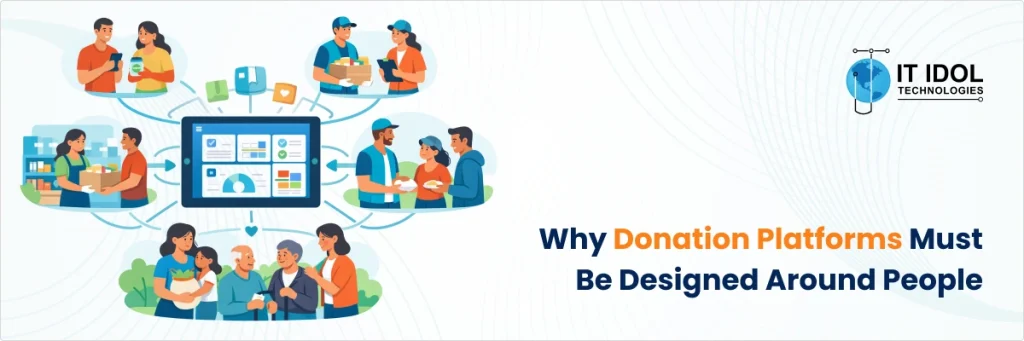
Why Donation Platforms Must Be Designed Around People
Donations are not just transactions. They are expressions of trust. When someone contributes to a cause, they want the process to feel transparent, reliable, and effortless. If the donation process becomes confusing or inconvenient, even the most committed supporters may hesitate. That’s why the digital experience for donors is critical.
At the same time, the platform must support the internal teams managing the organization. Administrative staff should be able to update campaigns, share stories, and publish new initiatives without needing to rely on developers every time content changes.
The best nonprofit platforms serve two audiences simultaneously:
1. Donors and supporters
2. Internal teams managing the mission
Balancing these needs requires thoughtful product design, not just code.
When Technology Meets Purpose: A Real-World Example
A useful example of how digital infrastructure can support charitable initiatives comes from a project delivered for RHF, a charitable organization based in Bahrain. The organization focuses on providing social, educational, and healthcare support to vulnerable groups, including orphans, widows, and families facing financial hardship. Their work also extends to initiatives aimed at promoting sustainable development within communities. As RHF expanded its programs and outreach, the organization needed a digital platform capable of supporting its operations and fundraising activities more effectively. Rather than modifying an existing template site, the decision was made to build a complete platform from the ground up.
The development team at IT IDOL Technologies designed and implemented a custom website architecture using:
Composer for dependency management and development workflow
This stack provided the flexibility and scalability required to support a mission-driven organization whose needs would continue evolving. But the most important part of the project wasn’t the technology stack. It was how the platform was designed to serve both donors and administrators.
Designing a Donation Experience That Feels Effortless
One of the core priorities of the RHF platform was creating a donation experience that was simple, intuitive, and accessible to a wide range of supporters.Many charitable websites unintentionally introduce friction into the donation journey. Long forms, unclear payment steps, or confusing navigation can disrupt what should be a straightforward experience. The RHF platform addressed this by implementing a streamlined donation flow that allows supporters to contribute quickly and confidently.
Donors can make:
One-time contributions for immediate support
Recurring donations for ongoing impact
This flexibility is important because not every supporter can contribute in the same way. Recurring contributions, in particular, allow charitable organizations to build predictable funding streams that support long-term programs. By simplifying the user journey, the platform makes it easier for donors to act on their intention to help.
Flexible Contribution Through Payment Installments
Another important feature implemented within the RHF platform was the ability for donors to contribute through payment installments. In many charitable contexts, supporters are deeply committed to helping but may prefer to distribute their contributions over time rather than making a single large payment. Installment-based giving allows donors to participate in meaningful initiatives without facing immediate financial pressure. From a platform design perspective, this requires careful backend logic to manage scheduled payments, track contributions, and ensure transparency for both donors and administrators.
By incorporating installment options directly into the platform, the system supports a broader range of giving behaviors, making charitable participation more accessible.
Empowering Nonprofit Teams with a Flexible CMS
While the donor experience is critical, internal usability is just as important. Many nonprofit teams operate with limited technical resources. If every content update requires developer involvement, the organization becomes dependent on external support for even small changes.
This capability is particularly important for mission-driven organizations where storytelling plays a major role in engagement. When teams can quickly publish updates about ongoing initiatives, success stories, or community programs, they can maintain stronger connections with their supporters. The CMS effectively turns the website into a living communication platform rather than a static information page.
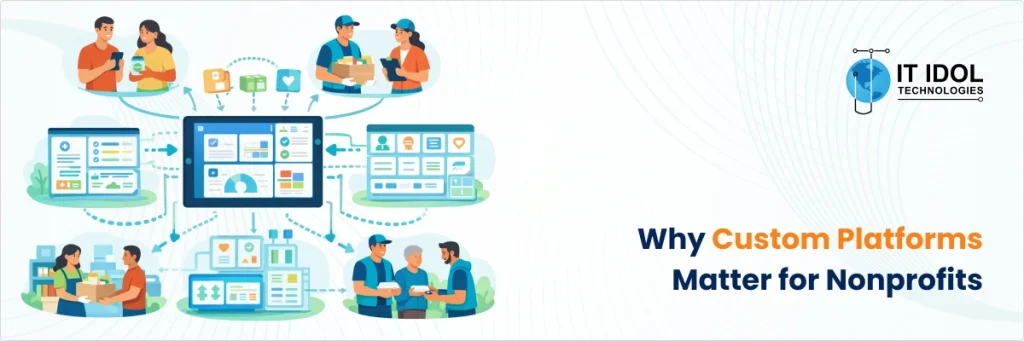
Why Custom Platforms Matter for Nonprofits
It’s tempting for charitable organizations to rely solely on off-the-shelf solutions. Template-based websites and donation plugins can be useful starting points, but they often come with limitations.
As organizations grow, they frequently encounter issues such as:
Restricted customization
Difficulty integrating payment models
Limited scalability
Complex workarounds for new features
A custom-built platform allows organizations to design systems around their actual workflows rather than forcing their operations to adapt to rigid software constraints. For RHF, the custom platform created by IT IDOL Technologies provides a foundation that can evolve alongside the organization’s programs and outreach efforts. This kind of flexibility is particularly valuable for nonprofits working in dynamic environments where community needs and initiatives may change over time.
Technology as an Enabler of Impact
Technology alone does not create social impact. But the right systems can significantly amplify the ability of organizations to deliver it. When digital platforms remove operational friction, charitable teams can redirect their energy toward initiatives that directly benefit communities.
Instead of spending time managing technical issues, staff can focus on:
Expanding outreach programs
Engaging with donors and supporters
Launching new initiatives
Strengthening partnerships
This shift from operational management to mission-driven work is where digital transformation truly matters for the nonprofit sector. The RHF platform is a practical example of how thoughtful development can support organizations working to improve lives. By building a platform that prioritizes usability, flexibility, and accessibility, the project created a digital foundation that helps the organization focus on its core mission.
The Future of Digital Platforms in Charitable Work
As nonprofit organizations continue to expand their digital presence, platforms will increasingly need to support more than simple donation forms.
But the underlying principle will remain the same.
Technology should simplify operations, not complicate them through well-designed custom software development. For organizations like RHF, having a reliable and scalable platform ensures that their mission remains at the center of everything they do. And when the digital experience works smoothly for both donors and administrators, the organization can build stronger relationships with supporters and sustain its impact for years to come.
RHF is a Bahrain-based charitable organization focused on supporting vulnerable communities. Its initiatives include assisting orphans, widows, and families in need, along with programs related to healthcare support, education, and sustainable community development.
As RHF expanded its programs and outreach efforts, the organization required a more scalable and efficient website. The goal was to simplify the donation process, improve the experience for supporters, and give the internal team better control over managing website content and initiatives.
A complete website was built from scratch with a user-friendly interface designed for both donors and administrators. The platform enables smooth donation flows, flexible contribution options, and a content management system that allows RHF’s team to update the site without technical expertise.
The website was developed using HTML for the front end and PHP with the Laravel framework for backend functionality. Composer was used as a development tool to manage dependencies and streamline the development process.
The website includes a streamlined donation interface designed to minimize friction for supporters. Donors can easily select their contribution type, complete their payment, and support RHF initiatives without navigating complicated forms or processes.
Installment-based donations allow supporters to spread their contributions over time instead of making a single large payment. This flexibility makes it easier for more people to participate in charitable initiatives while still supporting meaningful causes.
The built-in content management system enables RHF’s team to update pages, publish new initiatives, and manage site content independently. This reduces reliance on developers and allows the organization to communicate updates and campaigns more quickly.
Custom platforms provide greater flexibility, scalability, and control over features. They allow organizations to design systems that align with their workflows, donation models, and communication needs instead of adapting their operations to rigid templates.
Well-designed platforms streamline operations, simplify donations, and improve engagement with supporters. By reducing administrative complexity, nonprofits can focus more on delivering programs, expanding outreach, and supporting the communities they serve.
Deval Rathod
Founder & CEO
|
Deval Rathod is the Founder and CEO of IT IDOL Technologies, a custom software development company. With over a decade of experience in software engineering, solution architecture, and technology leadership, she has worked across custom software development, enterprise applications, AI & ML, and digital transformation. Her expertise includes guiding technology teams, designing scalable software solutions, and helping businesses evaluate and implement emerging technologies. She contributes insights on software engineering, artificial intelligence, enterprise technology, and digital transformation.